
Renaissance

Colombina. Music for the Dukes of Medina Sidonia

COLOMBINA. Music for the Dukes of Medina Sidonia ACCADEMIA DEL PIACERE Fahmi Alqhai, viola da gamba & direction Alena Dantcheva, sopranoGabriel Díaz, countertenorAriel Hernández, tenorJesús García Aréjula, baritoneJavier Jiménez Cuevas, bassRami Alqhai, viola da gambaJohanna Rose, viola da gambaCarles Blanch,…
Commo no le andare yo

Commo no le andare yo – Colombina Composer: Anonymous Today’s word “villancico” comes from “villanesca”, which in turn refers to pieces such as this typical example of a secular work from the Colombina manuscript: with racy lyrics and a rustic,…
Salve Sancta Parens

Salve Sancta Parens – Colombina Composer: Anonymous This Salve, naturally dedicated to the Virgin Mary, is one of the few sacred pieces in the Cancionero de la Colombina and also one of the few written for four voices. Lyrics Salve…
Rediscovering Spain. Fantasias, Variations and Glosas.

REDISCOVERING SPAINFantasias, Variations and Glosas Fahmi Alqhai, viola da gamba & direction Patricia Guerrero, flamenco dancer Accademia del PiacereRami Alqhai, viola da gambaJohanna Rose, viola da gambaFrancisco Javier Núñez, harpsichordAgustín Diassera, percussion Video and audio recording and editing: Félix Vázquez…
Romances. Frontier music for the reconciliation of civilisations

ROMANCESFrontier music for the reconciliation of civilisations Fahmi Alqhai, viola da gamba & direction Ghalia Benali, singerQuiteria Muñoz, sopranoDani de Morón, flamenco guitarKiya Tabassian, setar ACCADEMIA DEL PIACERE Johanna Rose, viola da gambaRami Alqhai, viola da gambaAgustín Diassera, percussionFrancisco Javier…
De Sevilla a Isfahán

DE SEVILLA A ISFAHÁN ACCADEMIA DEL PIACEREFahmi Alqhai, viola da gamba & directionRami Alqhai, viola da gambaJohanna Rose, viola da gamba CONSTANTINOPLEKiya Tabassian, setar, voice & directionDidem Basar, qanunPatrick Graham and Hamin Honari, percussion Programme Golestan – Panj-gâh pishrow, anonymous…
Di, perra mora (Rediscovering Spain)

Di, perra mora- Rediscovering Spain Composer: Anonymous (Pedro Guerrero?) The word “villancico”, derived from “villanesca”, refers to pieces with a “villano” – that is, popular – setting, like this typical secular work from the 16th-century Cancionero de Medinaceli. Possibly composed…
Praeludium – La Spagna

Praeludium La Spagna – Colombina Composer: Anonymous & Fahmi Alqhai As an instrumental introduction to Colombina, Fahmi Alqhai arranges the plainchant known as La Spagna, writing polyphonic voices over it for Renaissance ensemble, following the practices of the instrumentalists of…
Nunca fue pena mayor

Nunca fue pena mayor – Colombina Composer: Juan de Urrede (c. 1430 – after 1482) The Flemish composer Juan de Urrede, or Johannes de Wreede (c. 1430 – after 1482), spent much of his life in Spain. This song, the…
Propiñan de Melyor

Propiñan de Melyor – Colombina Composer: Anonymous One of the best-known pieces in the Cancionero de la Colombina is this highly unusual instrumental dance, a rare example of the genre, since the “ministriles”, or instrumentalists, usually played music written for…
Gentil Dama

Gentil Dama – Colombina Composer: Anonymous (Cornago?) The probable composer of this work is Juan Cornago (c. 1400 – after 1475), possibly from La Rioja, a musician in the chapel of Alfonso the Magnanimous of Aragon. Besides the Colombina, the…
Quien vos dio tal señorío

Quien vos dio tal señorío – Colombina Composer: Juan de Triana (1460-1494) Juan de Triana (1460-1494), or simply “Triana” in the manuscript, is in all likelihood the compiler of the Cancionero de la Colombina for the ducal house of Medina…
Calbidi Castigliano & Folia

Calbidi Castigliano & Folia – Colombina Composer: Joan Ambrosio Dalza (fl. 1508) & Fahmi Alqhai As an interlude, Fahmi Alqhai arranges other Renaissance instrumental dances similar to the Propiñan from the Cancionero, such as a dance by the Italian composer…
Con temor bivo

Con temor bivo – Colombina Composer: Juan de Triana (1460-1494) Juan de Triana (1460-1494), a musician regularly listed on the Seville payrolls of the House of Medina Sidonia, is the most frequent composer in the Colombina manuscript, with twenty works,…
Muy crueles bozes dan

Muy crueles bozes dan – Colombina Composer: Anonymous Politics and political events in Catalonia are also present in the Cancionero de la Colombina, in the form of a villancico with a concordance in the Cancionero de Palacio (thanks to which…
Interludium-Ave Maris Stella

Interludium-Ave Maris Stella – Colombina Composer: Jacob Obrecht (1458-1505) (Cancionero de Segovia) & Fahmi Alqhai Although Jacob Obrecht (1458-1505) was born in Ghent, his music is found in Spanish Renaissance manuscripts such as the Segovia songbook, and here Alqhai uses…
A los maytines era

A los maytines era – Colombina Composer: Anonymous Taking this piece from the Colombina together with Commo no le andare yo, we can follow the journey of the word “villancico”: from denoting pastoral works with a rustic (“villano”) setting, it…
Qué bonito niño chiquito

Qué bonito niño chiquito – Colombina Composer: Anonymous Like A los maytines era, this piece illustrates the journey of the word “villancico”: from denoting pastoral works to naming Christmas songs. By way of introduction, Carles Blanch improvises on the vihuela…
Los hombres con gran plazer

Los hombres con gran plazer – Colombina Composer: Anonymous Much of the Colombina manuscript consists of anonymous three-voice villancicos in a typically Andalusian style, including the strong influence of the Franco-Flemish musicians that had spread throughout Europe. This is a…
Pues con sobra de tristura

Pues con sobra de tristura – Colombina Composer: Enrique Foxer (d. 1488) The Enrrique of the Cancionero de la Colombina refers to Enrique Foxer, also known as Enrique de París (d. 1488), a Frenchman linked to the Aragonese court of…
Niña y viña

Niña y viña Composer: Anonymous Although written for four voices, Niña y viña is another of the typical villancicos of the Spanish Renaissance for which the Cancionero de la Colombina is a key source: the last line of each stanza…
Postludium-La Spagna, otro género de contrapunto

Postludium – La Spagna, otro género de contrapunto – Colombina Composer: Anonymous & Fahmi Alqhai The motto of the ducal house of Medina Sidonia, sung over the plainchant of La Spagna, closes this concert programme devoted to the great Renaissance…
Praeludium – La Spagna (encore)

Praeludium – La Spagna (encore) – Colombina Composer: Anonymous & Fahmi Alqhai The closing encore of the Colombina concert – held in Seville in 2021 and available in full on our platform, both complete and piece by piece – was…
Golestan
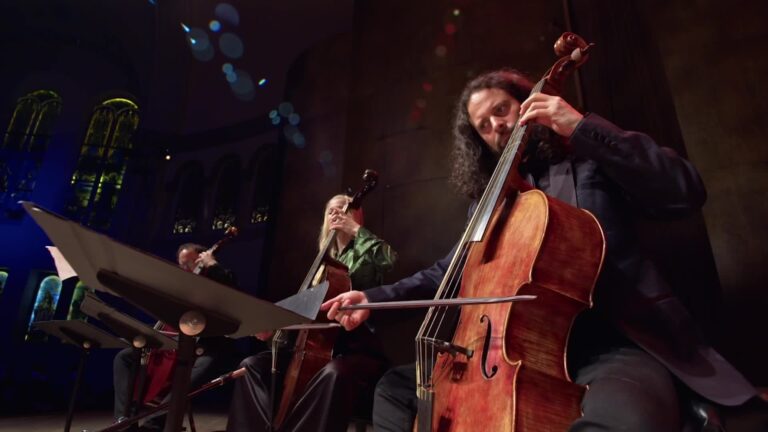
Golestan – De Sevilla a Isfahán Panj-gâh pishrow, anonymous Persian (16th c.) On a poem by Hâfez (c. 1325-1390) Credits Accademia del Piacere Fahmi Alqhai, viola da gamba & directionRami Alqhai, viola da gambaJohanna Rose, viola da gamba Constantinople Kiya…
Glosa sobre el canto llano ‘Pange Lingua’
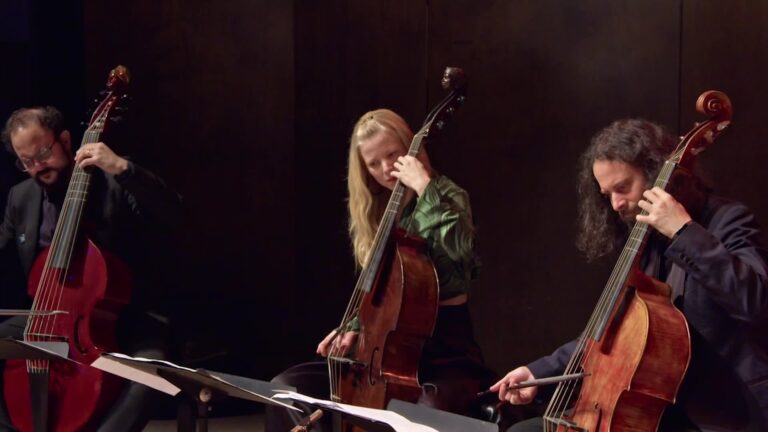
Glosa sobre el canto llano ‘Pange Lingua’ – De Sevilla a Isfahán Composer: Anonymous – Fahmi Alqhai One of the main compositional forms of the European Renaissance was the polyphonic glosa on Gregorian chant melodies (plainchant), to which further melodic…
Ghome Ajam & Pir-e Mey Foroush

Ghome Ajam & Pir-e Mey Foroush – De Sevilla a Isfahán Pishrow Mohayer, Osul Duyek, anonymous Persian (16th c.) On a poem by Hâfez (c. 1325-1390) Credits Accademia del Piacere Fahmi Alqhai, viola da gamba & directionRami Alqhai, viola da…
Si tus penas no pruebo & su glosa

Si tus penas no pruebo & su glosa – De Sevilla a Isfahán Composer: Francisco Guerrero (1528-1599) – Fahmi Alqhai Francisco Guerrero, the great maestro de capilla (chapel master) of Seville Cathedral, made his own pilgrimage to the East and…
Diferencias de Conde Claros

Diferencias de Conde Claros – De Sevilla a Isfahán Composer: Luis de Narváez (c. 1500-1552) & Fahmi Alqhai The melody and chords of the romance (ballad) of Conde Claros were among the most widely used bases for improvisation in the…
Nikriz Pishrow

Nikriz Pishrow – De Sevilla a Isfahán Composer: Aga Mu’men (c. 1580-1640) Credits Accademia del Piacere Fahmi Alqhai, viola da gamba & directionRami Alqhai, viola da gambaJohanna Rose, viola da gamba Constantinople Kiya Tabassian, setar, voice & directionDidem Basar, qanunPatrick…
Fantasia que contrahaze la harpa en la manera de Ludovico

Fantasia que contrahaze la harpa en la manera de Ludovico – De Sevilla a Isfahán Composer: Alonso de Mudarra (c. 1510-1580) The forerunner of the guitar, the vihuela was the domestic instrument par excellence in 16th-century Spain. And, like Narváez,…
Romanescas

Romanescas – De Sevilla a Isfahán Composer: Alonso de Mudarra (c. 1510-1580) – Fahmi Alqhai The romanesca, also known from its lyrics as Guárdame las vacas, was another of the bases for improvisation of the 16th century. We will hear…
Fecit potentiam & Fantasia 37

Fecit potentiam & Fantasia 37 – De Sevilla a Isfahán Composer: Miguel de Fuenllana (c. 1500-1579) Another of the great Spanish vihuelists of the 16th century, Miguel de Fuenllana, blind from birth, published his work in Seville in a large…
Chavosh

Chavosh – De Sevilla a Isfahán Composer: Kiya Tabassian Born in Tehran, Kiya Tabassian moved to Quebec, Canada, at a very young age; he is the founder of Constantinople and an outstanding setar player. Credits Accademia del Piacere Fahmi Alqhai,…
Pishrow Bousalik Ashirani

Pishrow Bousalik Ashirani – De Sevilla a Isfahán Composer: Dimitrie Cantemir (1673-1723) We hear one of the transcriptions by the enlightened Moldavian prince Dimitrie Cantemir, one of the most fascinating figures of his time: a distinguished composer, historian and linguist,…
Romanescas (encore)

Romanescas (encore) – De Sevilla a Isfahán The concert ended with a final encore of new, free improvisations on the Romanesca bass. Credits Accademia del Piacere Fahmi Alqhai, viola da gamba & directionRami Alqhai, viola da gambaJohanna Rose, viola da…
La dama le demanda

La dama le demanda – Rediscovering Spain Composer: Antonio de Cabezón (1510-1566) & Fahmi Alqhai Like today’s jazz musicians, 16th-century instrumentalists made their own versions of polyphonic songs, introducing variations and ornaments in which to show off their art of…
La Spagna

La Spagna – Rediscovering Spain Composer: Anonymous, Heinrich Isaac (1450-1517) & Fahmi Alqhai “La Spagna” was a famous “tenor”, that is, a simple Gregorian chant melody whose long notes “held up” the polyphonic web of other melodies above it. In…
Diferencias sobre ‘Guárdame las vacas’

Diferencias sobre Guárdame las vacas – Rediscovering Spain Composer: Improvisation & Fahmi Alqhai The song “Guárdame las vacas” became hugely famous in the 16th century because its short chord progression (also known as the “romanesca”) served for countless improvisations, many…
O felici occhi miei

O felici occhi miei – Rediscovering Spain Composer: Jacobus Arcadelt (1505-1568), Diego Ortiz (c. 1510-c. 1570) & Fahmi Alqhai Diego Ortiz, from Toledo, published in Rome a very important treatise that teaches how to improvise and write diminutions for viola…
Xácaras & Folías

Xácaras & Folías – Rediscovering Spain Composer: Anonymous & Fahmi Alqhai Many anonymous 17th-century sources include jácaras and folías, two of the best-known dances of the 17th century, whose fame outlived their time – particularly that of the folía, on…
Tiento III de primer tono

Tiento III de primer tono – Rediscovering Spain Composer: Antonio de Cabezón (1510-1566) As well as diminutions on pieces by other composers, the blind organist Antonio de Cabezón wrote original polyphonic works, conceived for instruments from the outset. A good…
Glosa sobre Mille Regretz de Josquin

Glosa sobre Mille Regretz de Josquin – Rediscovering Spain Composer: Fahmi Alqhai & Josquin Desprez (c. 1450-1521) Fahmi Alqhai makes his own diminution of the celebrated “Canción del Emperador” by the great master of polyphony, Josquin. Regarded as a favourite…
Mawwall & Da pacem Domine & La Spagna

Recorded at the Royal Alcázar of Seville during the Romances concert in 2024
Jácara & Bulería

Recorded at the Royal Alcázar of Seville during the Romances concert in 2024
Paseávase el rey moro

Recorded at the Royal Alcázar of Seville during the Romances concert in 2024
Qué es de ti, desconsolado

Recorded at the Royal Alcázar of Seville during the Romances concert in 2024
De Antequera sale el moro

Recorded at the Royal Alcázar of Seville during the Romances concert in 2024
Din al Hob – Da Pacem

Recorded at the Royal Alcázar of Seville during the Romances concert in 2024
Di, perra mora (Romances)

Recorded at the Royal Alcázar of Seville during the Romances concert in 2024
Gugurumbé. Las Raíces Negras

Accademia del Piacere performs a concert version of the music from Gugurumbé, a show about the influence of Africa and the Americas on Spanish Baroque music. With Fahmi Alqhai, Dani de Morón, Quiteria Muñoz and Rocío Márquez.